 how-to
7 European Car Repair Mistakes That Cost Owners Thousands
Last Updated: October 25, 2026
Quick Summary
European car repair requires specialized expertise because German engineering, British precision, and Italian design create powertrains and electrical systems demanding specific diagnostic protocols and calibration procedures that generalist technicians cannot properly service.
- Misdiagnosed European car issues can cost thousands in unnecessary repairs when shops lack manufacturer-specific knowledge
- European automatic transmissions require fluid changes every 40,000 to 80,000 miles to prevent internal damage
- Professional European car diagnostic equipment accesses integrated systems where engine, transmission, brake, and suspension modules communicate with each other
- ASE-certified technicians with European specialization have demonstrated expertise through rigorous testing and ongoing education
- Transparent estimates before repair work begins should specify what will be repaired, why, what parts will be used, and total labor time
Table of Contents
- Why European Car Repair Demands Specialized Expertise
- Common Issues With European Luxury Cars That Require Professional Diagnosis
- European Car Maintenance: What Owners Often Skip
- European Car Diagnostic Services: Understanding What Your Specialist Does
- European Car Repair Costs: Why Transparency Matters
- Choosing the Right European Car Repair Specialist
- Schedule Your European Car Service Today
- Frequently Asked Questions
Why European Car Repair Demands Specialized Expertise
European car repair requires a fundamentally different approach than servicing domestic vehicles. German engineering, British precision, and Italian design philosophy create powertrains, electrical systems, and mechanical tolerances that demand specialized knowledge. A technician trained only on American cars will struggle with the diagnostic protocols, parts sourcing, and calibration procedures that European manufacturers demand.
The stakes are real. A misdiagnosed issue on a BMW or Mercedes can cost thousands in unnecessary repairs. A technician unfamiliar with Audi's quattro system or Volkswagen's direct-injection engines might recommend complete component replacement when recalibration would solve the problem. This is where expert European car repair makes the difference between a quick fix and a wallet-draining nightmare.
At SHEA'S AUTOMOTIVE, we understand that European vehicles operate by different rules. Our ASE-certified technicians specialize in the specific diagnostic equipment, repair procedures, and parts knowledge these cars require. Whether you're driving a luxury sedan or a performance sports car, the difference between generic automotive service and expert service for BMW, Audi, Mercedes, Volkswagen at Shea's Auto in Albuquerque determines whether your vehicle runs reliably or becomes a financial burden.
Common Issues With European Luxury Cars That Require Professional Diagnosis
European luxury cars develop problems that confuse generalist mechanics. These aren't simple failures, they're system-level issues requiring diagnostic expertise most shops simply don't possess.
Electrical gremlins plague European vehicles more frequently than domestic cars. A single faulty sensor can trigger a cascade of warning lights that appear unrelated. The check engine light might blame the transmission when the real culprit is a corroded connector in the engine bay.
Cooling system failures in German cars often stem from thermostat housing cracks that are nearly invisible during basic inspection. European manufacturers use plastic housings designed to fail predictably rather than catastrophically. A generalist shop might replace the entire cooling system when the issue is a single component.
Direct-injection carbon buildup affects many modern European engines. Fuel injectors spray directly into the combustion chamber rather than into the intake valve, which means fuel doesn't clean the intake valves naturally. This causes performance loss, rough idle, and increased emissions. The fix requires specialized cleaning procedures and equipment most shops don't have. A technician unfamiliar with this issue might suspect transmission problems or fuel pump failure.
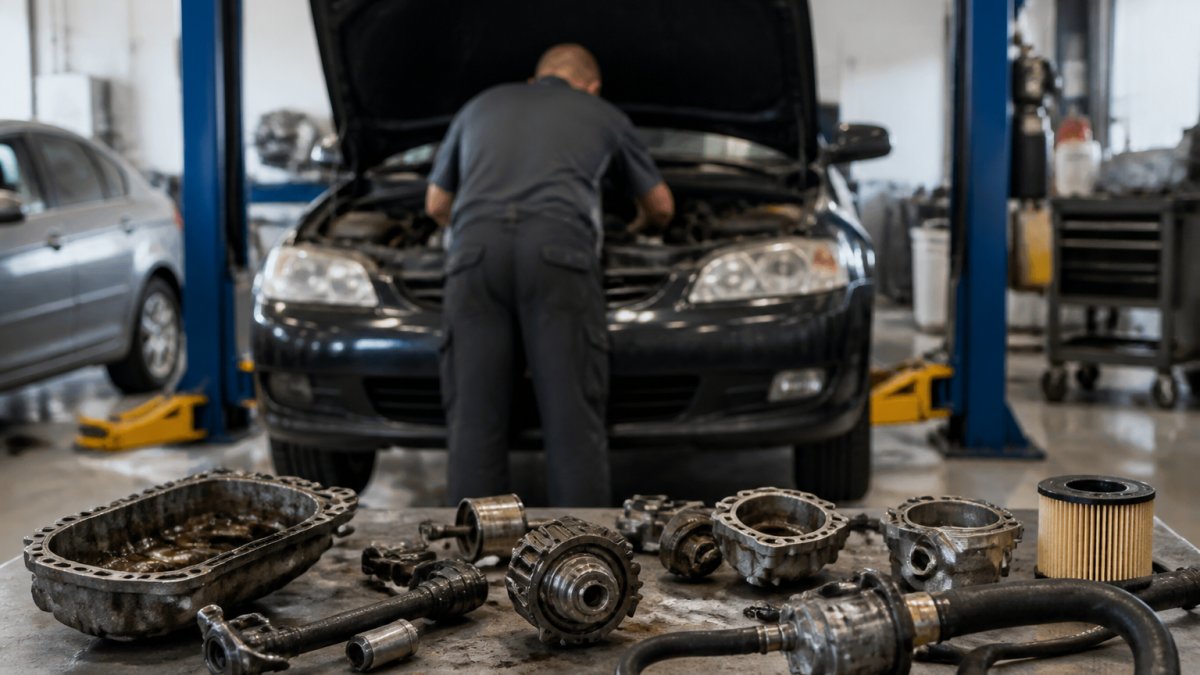
Transmission issues in European vehicles demand precision diagnostics. Audi's CVT transmissions, BMW's ZF automatics, and Mercedes' 7-speed units all require manufacturer-specific diagnostic protocols. A shop without European car repair expertise might condemn a transmission that simply needs fluid and filter service. The cost difference between proper diagnosis and misdiagnosis can exceed several thousand dollars.
European Car Maintenance: What Owners Often Skip
European car owners frequently neglect maintenance intervals that keep these vehicles reliable. Skipping recommended services doesn't just void warranties, it creates cascading failures that become exponentially more expensive.
Scheduled fluid changes matter more on European cars. Many owners stretch oil change intervals beyond manufacturer recommendations, thinking synthetic oil lasts longer than it actually does. European engines run tighter tolerances than domestic engines. Degraded oil accelerates wear on precision components.
Transmission fluid maintenance gets overlooked constantly. European automatic transmissions require fluid changes every 40,000 to 80,000 miles depending on the model. Many owners ignore this because the transmission seems fine. The fluid gradually breaks down, reducing hydraulic pressure and causing delayed shifts. By the time symptoms appear, internal transmission damage has already occurred.
Brake fluid replacement is another maintenance item owners skip. Brake fluid absorbs moisture from the air. Over time, moisture content increases, lowering the boiling point of the fluid. European performance cars generate significant brake heat.
Air filter and cabin filter changes seem minor until they're not. Clogged air filters reduce engine efficiency and increase fuel consumption. Clogged cabin filters reduce heating and air conditioning performance. European cars often have multiple filters in less accessible locations. Owners skip these because they're inconvenient.
Spark plug replacement intervals vary significantly among European manufacturers. Some specify 100,000-mile intervals while others recommend 40,000 miles. Using the wrong interval creates misfires and increased emissions. Owners who follow domestic car intervals often miss European manufacturer specifications, creating unnecessary problems.
European Car Diagnostic Services: Understanding What Your Specialist Does
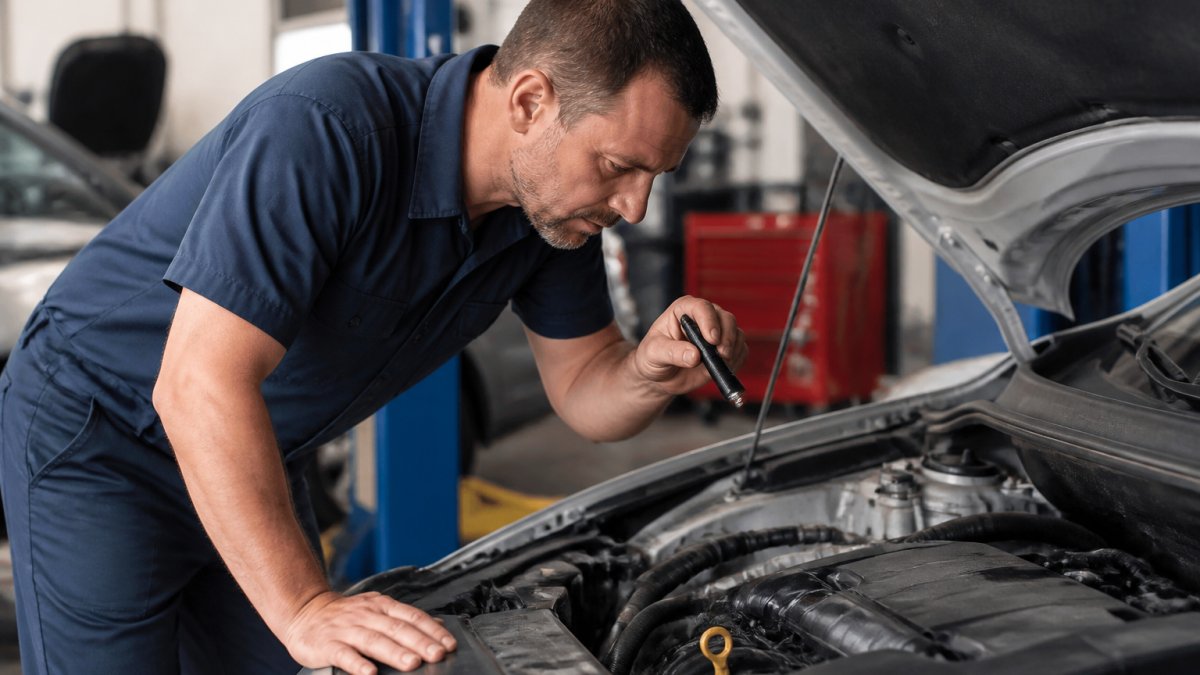
Professional European car diagnostic services go far beyond plugging in a scanner and reading error codes. Real diagnostics require understanding what the codes mean in context, what systems interact with each other, and what the underlying cause actually is.
A proper diagnostic starts with a detailed conversation about symptoms. When did the issue start? Does it happen consistently or intermittently? What were you doing when it occurred? This information narrows the diagnostic scope dramatically. A technician who jumps straight to scanning without understanding the symptom pattern will waste hours chasing false leads.
European car diagnostic equipment differs significantly from domestic tools. The diagnostic scanners must communicate with European manufacturer protocols. Basic code readers work on domestic vehicles but miss the deeper system information European cars provide. Professional diagnostic equipment accesses modules that generic scanners can't reach, revealing issues that would otherwise remain hidden.
System integration diagnostics are where European car repair specialists prove their value. European vehicles use integrated systems where engine, transmission, brake, suspension, and climate control modules communicate constantly. A problem in one system often creates symptoms in another. A failing wheel speed sensor might trigger transmission warning lights. A malfunctioning brake pressure sensor might affect engine idle quality.
Live data monitoring during diagnostics reveals issues that static code reading misses. Our technicians watch real-time sensor data while driving the vehicle, observing how systems respond to acceleration, braking, and cornering. This reveals intermittent issues that only appear under specific conditions.
European Car Repair Costs: Why Transparency Matters
European car repair costs more than domestic vehicle service, and owners deserve to understand why before work begins. Transparent communication about what drives costs prevents sticker shock and builds trust.
Parts sourcing explains a significant portion of European car repair costs. Genuine OEM parts for European vehicles cost more than domestic equivalents because European manufacturers maintain stricter quality standards and tighter tolerances. Aftermarket parts exist but often compromise reliability. Using quality parts costs more upfront but prevents repeat failures that generate expensive comebacks.
Labor time reflects the complexity of European vehicles. A transmission fluid service on a European car might require removing the transmission pan, which sits deeper in the engine bay than on domestic vehicles. What takes an hour on a domestic car takes two hours on a European equivalent.
Warranty considerations affect total cost. European manufacturers often require specific procedures and parts for warranty coverage. Taking shortcuts to reduce immediate costs can void warranty protection, leaving owners vulnerable to expensive failures. Proper procedures cost more but protect your investment.
[Regular maintenance and preventive care can help reduce the total cost of ownership while ensuring your European vehicle receives proper care. Preventive maintenance costs far less than emergency repairs caused by neglect.
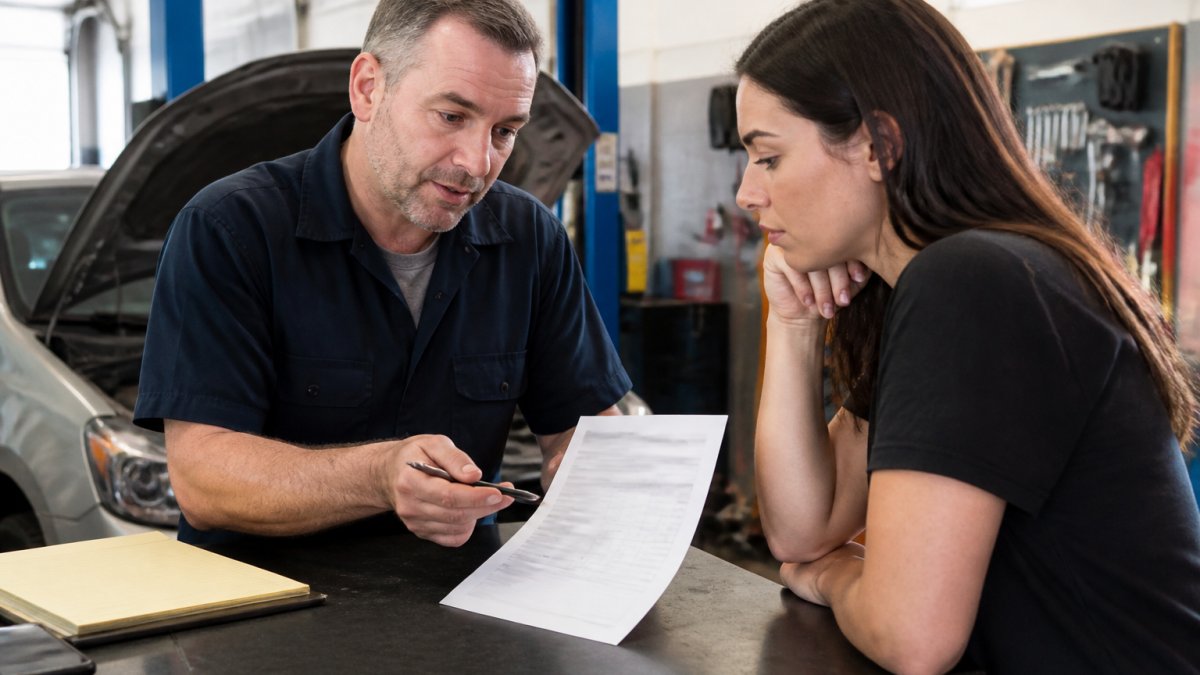
Transparent estimates prevent surprises. Check out our current specials to see what savings are available on your next service. A quality European car repair specialist provides detailed written estimates before beginning work. The estimate should specify what will be repaired, why it needs repair, what parts will be used, and the total labor time.
Choosing the Right European Car Repair Specialist
Selecting a European car repair shop determines whether your vehicle receives expert care or becomes a financial burden. Several factors separate specialists from generalists.
ASE certification matters significantly. Certified technicians have demonstrated expertise through rigorous testing. ASE-certified specialists in European cars have proven knowledge of the specific systems, diagnostic procedures, and repair techniques these vehicles demand.
Specialization in your specific make and model is crucial. A shop that specializes in German cars might have limited experience with Italian or British vehicles. Ask specifically about experience with your vehicle's make, model, and year.
Diagnostic equipment and tools reveal a shop's commitment to proper service. European vehicles require manufacturer-specific diagnostic equipment. A shop invested in the right tools demonstrates serious commitment to European car repair.
Warranty and guarantee policies show confidence in their work. A shop that stands behind repairs offers warranties on parts and labor. This protects you if issues recur shortly after service.
Customer communication style predicts your experience. During your first interaction, does the shop explain things clearly? Do they answer questions thoroughly? Do they seem genuinely interested in understanding your vehicle's history and your concerns?
Find answers to common auto repair questions about brake repair, oil changes, check engine lights, repair timelines, and warranties. These FAQs reveal how a shop approaches customer education and service transparency.
Schedule Your European Car Service Today
Your European vehicle deserves more than generic automotive service. The complexity of German engineering, British precision, and Italian design demands specialists who understand these systems deeply. Delaying proper maintenance transforms minor issues into expensive failures.
SHEA'S AUTOMOTIVE brings together ASE-certified technicians, manufacturer-specific diagnostic equipment, and genuine commitment to transparent service. We've built our reputation by treating European vehicles with the expertise they require. Whether you need routine maintenance, diagnostic services, or complex repairs, our team handles your vehicle with precision and care.
Get in touch with us today to schedule your European car service. Our specialists will diagnose your vehicle's needs accurately and provide transparent recommendations backed by detailed estimates. Your European car will run reliably when maintained by technicians who understand what makes it special.
European car owners in this area deserve repair shops that respect their vehicles' engineering. SHEA'S AUTOMOTIVE combines ASE-certified expertise with manufacturer-specific diagnostic equipment and commitment to honest communication. Contact us to experience the difference specialized European car repair makes in your vehicle's reliability and longevity.
| Common European Car Issues | Typical Cause | Why Specialist Diagnosis Matters |
|---|---|---|
| Check engine light with multiple codes | Single sensor or connection failure affecting multiple systems | Generalists replace expensive components; specialists find root cause |
| Rough idle and hesitation | Carbon buildup on intake valves | Requires specialized cleaning; misdiagnosed as transmission issues |
| Transmission delay or jerking | Low fluid or electrical sensor issue | Prevents unnecessary transmission replacement |
| Electrical gremlins and warning lights | Corroded connectors or failing modules | Requires European diagnostic equipment to identify |
| Cooling system overheating | Thermostat housing crack | Specialists recognize specific failure pattern |
Frequently Asked Questions
What should I look for in a European car repair specialist?
Look for ASE-certified technicians with specific experience on your vehicle's make and model. Verify they use proper diagnostic equipment designed for European vehicles, provide written estimates before starting work, and can explain repairs in clear language. Ask how long they've specialized in European car repair and request references from other European car owners. A reliable specialist will welcome questions and show you the issues they find.
Are European cars more expensive to repair than domestic vehicles?
European car repair costs depend on the specific make, model, and issue. Luxury brands often require specialized parts and diagnostic procedures. However, preventive maintenance and catching problems early through proper European car diagnostic services can reduce overall expenses. Choosing an experienced independent specialist familiar with your vehicle type can provide quality service.
How often should a European car be serviced?
Most European vehicles need scheduled maintenance every 10,000 to 15,000 miles or annually, whichever comes first. Check your owner's manual for the specific interval. Regular European car maintenance prevents common issues with European luxury cars from developing and keeps warranty coverage intact. Fluid changes, filter replacements, and inspections should follow the manufacturer's timeline to avoid costly repairs later.
Can a general mechanic repair European cars?
While some general mechanics can handle basic maintenance, European vehicles often require specialized knowledge and diagnostic tools. Complex issues with engines, transmissions, and electrical systems typically need a specialist experienced in European car repair. Using an unqualified mechanic risks misdiagnosis, improper repairs, and damage to expensive components. For reliability and warranty protection, choose a shop with proven European car expertise.